JUMP TO SECTION
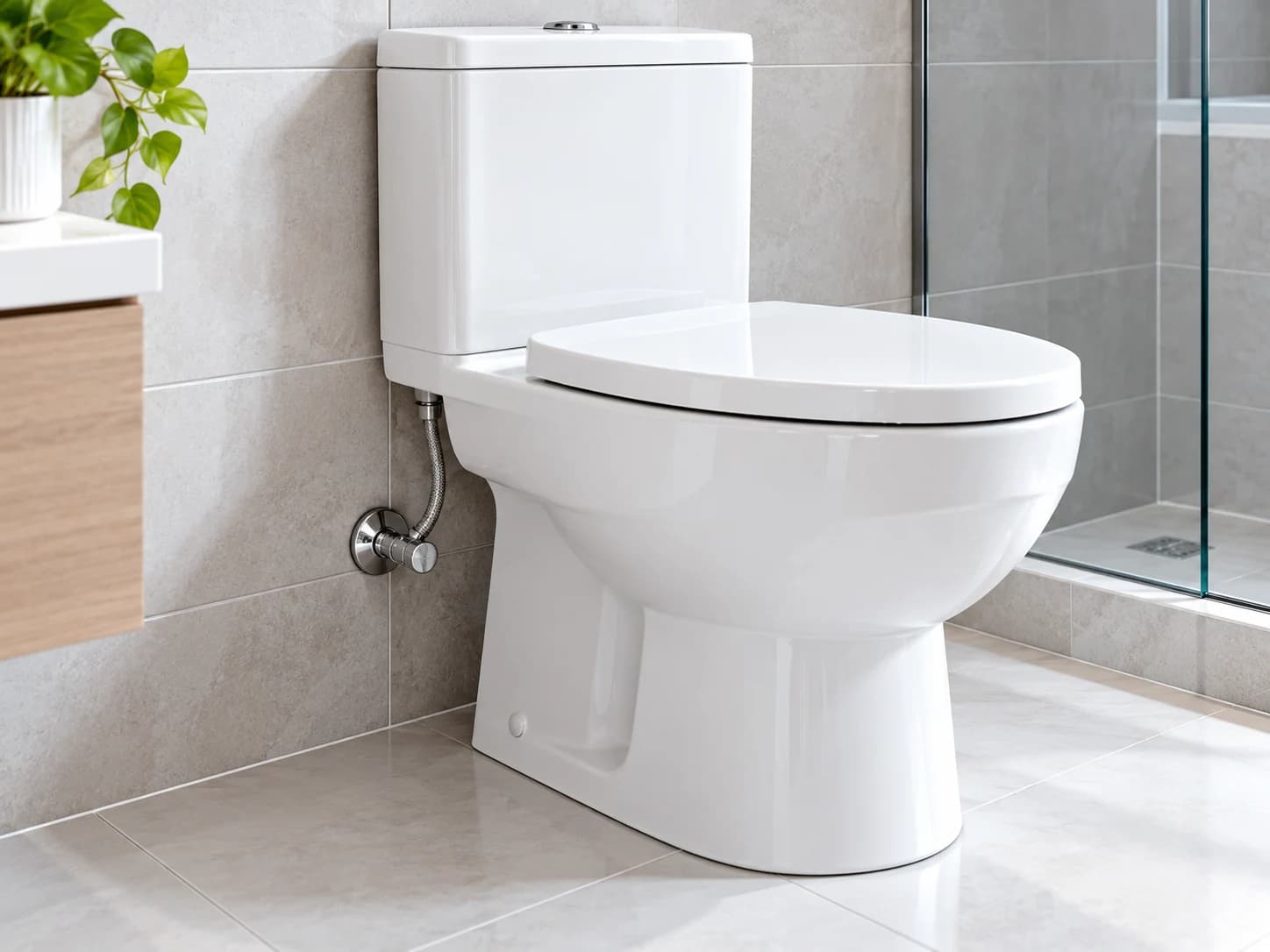
A toilet described as broken may have several very different reported symptoms. Water continuing into the bowl, a cistern refilling unexpectedly and a bowl that will not drain are not the same observation. Start by naming what you notice during normal use. This guide focuses on a running or refilling concern and the information useful for a booking. It does not diagnose the internal mechanism or provide a repair procedure.
Separate refilling, running and flushing complaints
A toilet described as broken may have several very different reported symptoms. Water continuing into the bowl, a cistern refilling unexpectedly and a bowl that will not drain are not the same observation. Start by naming what you notice during normal use. This guide focuses on a running or refilling concern and the information useful for a booking. It does not diagnose the internal mechanism or provide a repair procedure.
YourHome advises addressing leaking toilets and provides water-use guidance. The practical point for a customer is to take an ongoing water-waste concern seriously without deciding its exact cause from the sound alone. A water bill or a running noise may justify an enquiry, but neither identifies the component that needs attention.
If the toilet is overflowing, sewage is visible or another immediate hazard exists, seek advice appropriate to that situation instead of treating the article as a routine observation exercise. Do not repeatedly flush a fixture that is not draining normally. A report of the current concern is enough to begin.
Describe the ordinary sequence
Note what happens before, during and after ordinary use. Does a noise continue after flushing, does refilling occur when nobody has used the toilet, or is the concern something else? Do not remove a cover or adjust a mechanism to investigate. Record the sequence as observed and state which details remain uncertain.
If the pattern is intermittent, add a few dates and approximate times. There is no need to watch the fixture for hours or create an elaborate measurement programme. A short account can establish that the concern has happened more than once while avoiding a guessed technical explanation.
Keep reports from several household members distinct when necessary. One person may notice a filling sound while another reports a separate flushing difficulty. Do not combine them into a single diagnosis. The assessor can decide whether the symptoms are related, and the booking should preserve both if they matter.
Identify the fixture without ordering parts from a photograph
Use any existing product manual, invoice or safely visible model information to identify the toilet. Tell the practitioner if the details are unknown. A range name or similar-looking online image may not specify the internal arrangement, so avoid purchasing a part before compatibility is confirmed.
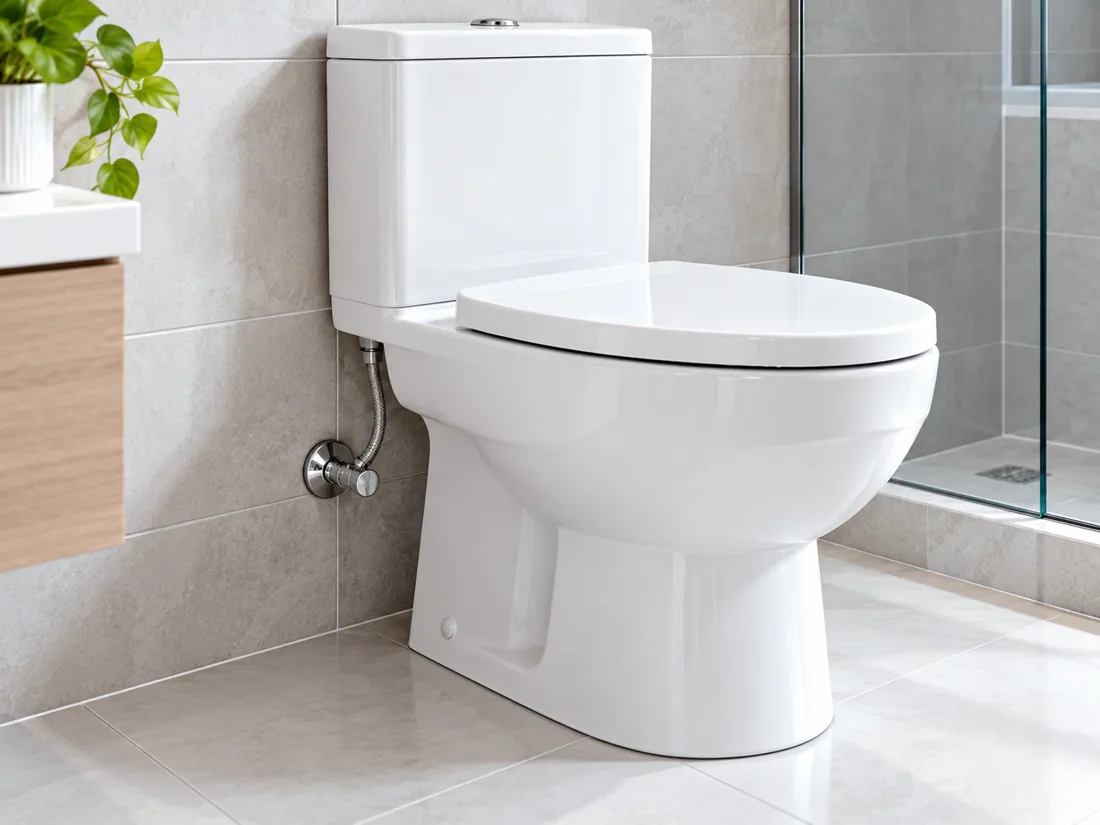
Photographs can help show the installed fixture and its location if they can be taken safely without dismantling anything. Include an overview rather than only a close image of an unlabelled button. Do not lift, remove or force a component to reveal a marking for the enquiry.
Where earlier work was performed, retain the actual scope and date. A note saying a particular part was replaced does not establish that every component is new or that a later sound must have the same cause. Give the practitioner the record without requiring them to adopt an unconfirmed explanation.
When a button, handle or other ordinary control behaves differently, record that change without forcing it or taking the mechanism apart. Tell the practitioner if the household has improvised a temporary way of using the fixture, but do not repeat a workaround to demonstrate it. The concern should be assessed as it exists, not after an unrecorded adjustment changes the symptoms.
Keep usage and billing questions in context
If the concern coincides with a higher water bill, note the billing period and any relevant household changes. Keep the visible symptom and account question linked without assuming the running toilet explains the entire increase. Other use or billing circumstances may also need clarification through the appropriate process.
Do not publish a water-loss or cost estimate for your fixture from an unrelated general example. This article gives no fixed litre rate or annual charge for an unassessed condition. A useful enquiry states the observation and available records rather than presenting an exact-looking figure that nobody has measured.
Ask the relevant water retailer about account questions and the practitioner about the fixture assessment. Keep any reference and advice associated with the correct enquiry. A retailer conversation does not itself identify the failed component, and a fixture repair does not automatically determine an account adjustment.
Arrange the task that is actually needed
Clarify whether the booking covers an assessment, a specific repair already identified or discussion of replacement options. Those are different scopes. Do not assume a running cistern means the whole suite must be replaced, or that a small component can be specified before the actual fixture is identified.
Ask how findings and further work will be explained before approval. If a part is needed, request confirmation of suitability and any dependency on availability. Keep uncertainty about a follow-up visit visible instead of expecting every repair to be completed during the first attendance.
In Victoria, check the practitioner's relevant registration or licence using the regulator's information. Ask who undertakes the agreed work and what documentation applies. This guide does not promise the availability of a particular component or establish qualifications from a general business description.
If another provider suggests a replacement while a repair assessment remains outstanding, ask what finding supports that recommendation and whether it addresses the same symptom. A product preference, a parts-availability question and an established fault are different reasons for choosing work. Keep them separate so the household can make an informed decision rather than treating the first suggestion as proof that no other suitable option exists.
Plan household access and follow-up
Tell the booking contact if the home has no alternative toilet, without assuming a particular appointment or repair duration will follow. Explain access restrictions and identify the person who can approve a changed scope. If the property is managed or rented, confirm the relevant authorisation process separately from providing entry.
At completion, ask what was actually done and how to report a continuing symptom. Keep the invoice, identified fixture details and any supplied user information together. A short record is useful when another household member handles the next enquiry and needs to know which part of the concern was addressed.
If refilling or running continues, describe the current sequence rather than attempting further adjustments. Do not assume every noise indicates the same fault as before. Refer to the agreed follow-up process and seek appropriate advice if a new overflow or drainage concern occurs.
Where several toilets look similar, identify the room on every photograph and note. A model record for the ensuite should not be sent as though it identifies the main bathroom fixture. Small labelling differences can prevent the wrong part or an irrelevant earlier invoice from directing a later enquiry.
A clear booking note is better than a guessed repair order
A hypothetical booking note could say that the toilet refills between uses, that the exact model is unknown, and that an overview photograph and prior invoice are available. Add the date the household first noticed it and whether another toilet is available. That describes the decision the practitioner needs to make without directing them to fit a part selected from an internet image.
If the concern is actually a slow-draining bowl rather than unexpected refilling, change the report accordingly. Accurate symptom wording reduces the risk of an assessment being booked for the wrong question. It does not guarantee a diagnosis by telephone or replace inspection.
For a toilet-related plumbing enquiry, contact Grade A Plumbing on (02) 5837 5457 or support@gradeaplumbing.store with your suburb and the observed sequence. The Melbourne location and related guide provide the contact route. An enquiry does not confirm a component fault, a water-loss amount, replacement necessity, availability or price.
A toilet that quietly refills needs a different enquiry from an uncontrolled leak or overflow. If there is an immediate plumbing concern beyond the refilling symptom, describe that separately when asking about emergency plumbing assessment. Do not treat every cistern noise as an emergency or assume that a running-water report means the drain is blocked. The relevant service depends on the actual condition.
Frequently asked questions
Does a running toilet always need a new suite?
No replacement decision is established by a symptom alone. Ask for assessment of the actual fixture and suitable repair options.
Should I buy a part that looks like the one in an online video?
Ask the practitioner to confirm the fixture and compatible part first. Visual similarity does not establish suitability.
Is a refilling concern the same as a blocked toilet?
They are different observations. Report whether the issue concerns filling, running water, flushing or drainage, including any separate symptoms.
Sources and further reading
- YourHome: reducing water use · Checked 2026-10-18
- Building and Plumbing Commission: engaging a plumber · Checked 2026-10-18