JUMP TO SECTION
An outdoor tap problem often becomes obvious while you are watering, filling a bucket or disconnecting a hose. It is tempting to buy another fitting immediately, but first separate the observations from the proposed solution. Is water visible at the tap itself, at a connection, or somewhere nearby? Does the concern occur during use, after use or at another time? Describe what you can see from a safe position without dismantling anything. This guide helps prepare an assessment, not carry out plumbing repairs.
Describe the tap problem before buying accessories
An outdoor tap problem often becomes obvious while you are watering, filling a bucket or disconnecting a hose. It is tempting to buy another fitting immediately, but first separate the observations from the proposed solution. Is water visible at the tap itself, at a connection, or somewhere nearby? Does the concern occur during use, after use or at another time? Describe what you can see from a safe position without dismantling anything. This guide helps prepare an assessment, not carry out plumbing repairs.
Record the tap's location in everyday terms, such as beside the side gate or near the garden shed. If there are several taps, identify which one you mean in the booking message. A wide photograph and a closer image of the visible concern are usually more informative than an unexplained close-up. Avoid moving heavy pots, reaching behind electrical equipment or opening a service enclosure simply to obtain a better picture.
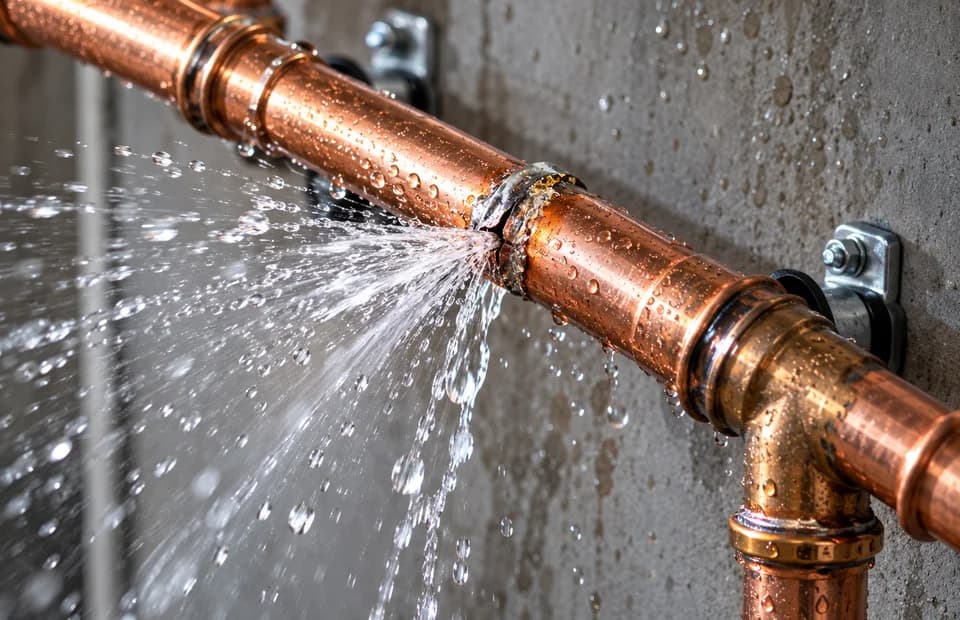
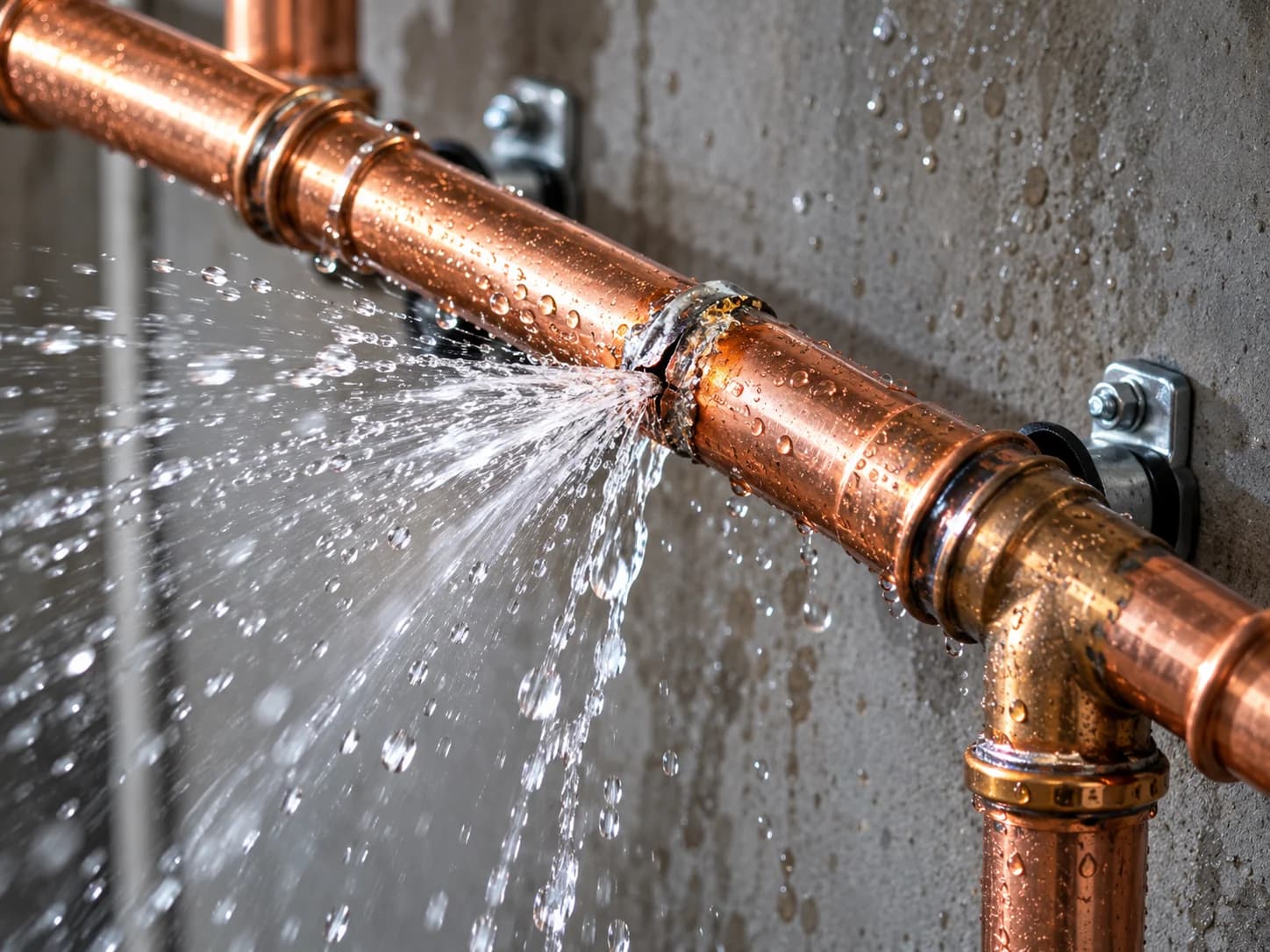
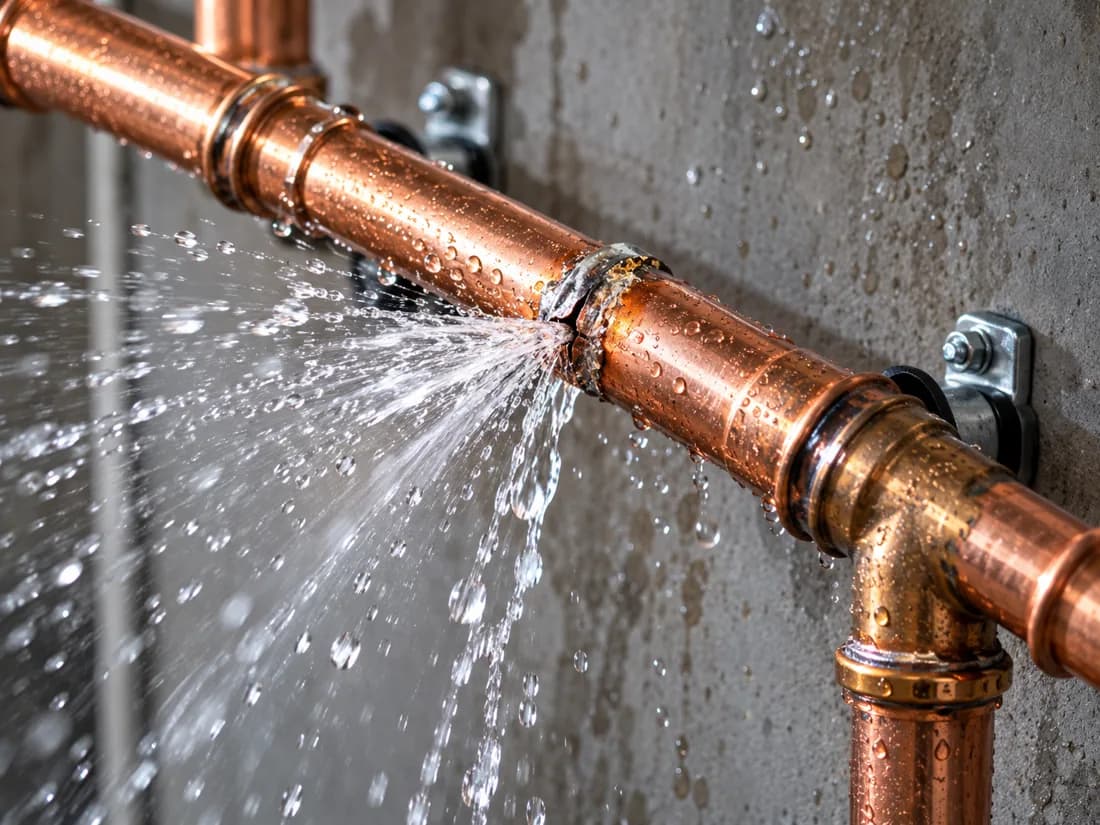
Treat a sudden significant leak or another immediate hazard as a reason to seek assistance rather than continue with routine preparation. Keep people away from unsafe areas and explain the circumstances when you call. Do not force an unfamiliar valve or attempt work on connections you cannot identify. A concise account of the current problem is more valuable than a guessed repair instruction.
Identify what you know about the water source
Explain whether the outlet has any existing label or known connection to a rainwater arrangement. If you do not know, say so. Do not decide whether water is suitable for drinking from its appearance or because an ordinary hose is attached. The plumber needs accurate information about the actual connection, and a homeowner's uncertain description should remain a question for assessment rather than become a fact in a quote.
Keep any available property or equipment records handy, especially if a pump or tank is involved. Provide only documents you actually have, and identify whether they describe the current installation or an earlier proposal. An old invoice can offer context without proving how the system is connected today. Where another owner or a property manager holds the records, ask whether they can supply the relevant information before alterations are discussed.
The Building and Plumbing Commission explains that Victorian plumbing practitioners need the appropriate registration or licence for the work they undertake. Use the regulator's checking information when arranging plumbing changes. This article does not provide instructions for connecting a tank, changing a supply or selecting a protective device. Ask the practitioner which assessment and safeguards apply to the actual proposed work.
Show the connections and describe how you use them
List the ordinary items connected to the outlet: a hose, timer, garden irrigation equipment or another accessory. Give the model information if it is readily available. State which items were in place when the concern appeared, but do not assume they caused it. Ask whether the plumber needs to see the usual arrangement during the assessment. Do not recreate a leak beside electrical equipment or repeatedly operate a failing connection to make a video.
Explain the daily routine that matters to you. A tap used occasionally for a bucket has different practical expectations from one serving regularly used garden equipment. Mention if another household member finds the existing position difficult to reach. The purpose is to describe the outcome you need, not specify an unassessed pipe size or product. A proposed repair can then be discussed against actual use rather than a generic replacement package.
Keep plumbing work separate from accessory purchases. Ask which part of the concern the proposed work addresses and which items remain your responsibility. If a new tap or connection is suggested, request confirmation that the exact arrangement is suitable before ordering equipment. Do not assume that a fitting which screws on is necessarily appropriate for every water source or use.
Use a measured observation record, not a guessed water-loss figure
YourHome advises addressing drips and leaks and using household water information to identify changes. For your outdoor tap enquiry, a short observation record may be enough: when the concern started, when it is visible and whether normal use has changed. You do not need to calculate an annual loss from a short video. The article deliberately gives no promised savings or fixed estimate for an unassessed leak.
If you are also investigating a higher bill, keep that issue linked but separate. Note the billing period and any known changes in garden watering or occupancy. A visible drip and an unusual bill may both deserve attention, but neither proves that the other has been fully explained. Ask what the current repair assessment can establish and whether any further investigation is needed.
Do not use extra water simply to build a more detailed record. If a supplier offers account information or guidance about the meter, consult the instructions relevant to your property. A shared meter or unfamiliar supply may require additional clarification. The goal is to give the practitioner useful context while avoiding an unsupported conclusion about hidden pipework or retailer responsibility.
Agree the repair boundary and the surrounding work
Ask whether the proposed service is an assessment, a specific repair or a replacement of an identified component. Request a plain description of what is included. If work might affect a wall, paving or garden feature, discuss that before approval. Do not assume that a tap repair automatically includes restoring decorative surfaces or relocating an outlet to a new position.
Consumer Affairs Victoria recommends understanding quote inclusions and how changes are handled. Apply that approach to access, parts, any associated work and the process if assessment reveals a different problem. Ask whether a second visit would need separate approval. Keep optional improvements separate from the immediate repair so you can choose between them without losing sight of the original concern.
Explain any access constraints that could affect the appointment: a locked gate, a dog in the yard, a shared path or a tap behind stored items. Agree which preparation you can safely do and what the contractor needs to assess themselves. Do not dig, remove a cover or clear an unsafe area in anticipation of a repair unless appropriately advised through a safe process.
Prepare for completion and normal use
Before the work, decide who can approve changes and how that person can be contacted. Ask the contractor to explain the completed task and any ordinary user guidance that applies. A repair note should identify what was actually done, not carry forward every improvement mentioned during the initial conversation. Keep the invoice and any relevant product details with your property records.
If an accessory was not part of the plumbing work, retain its purchase and support information separately. Label photographs so you can distinguish the outlet before the visit from its appearance afterwards. When another member of the household resumes using garden equipment, pass on any actual instructions supplied by the contractor rather than an assumption about how the arrangement should now work. If something remains unclear, ask before reconnecting equipment or changing the usual use.
If you are planning a garden project, discuss it separately rather than letting temporary accessories become an assumed permanent design. Tell the practitioner about future intentions without asking them to treat undecided work as part of the accepted job. That separation keeps the current scope understandable and provides a better starting point if you request a later alteration.
For an outdoor plumbing enquiry, contact Grade A Plumbing on (02) 5837 5457 or support@gradeaplumbing.store. Include your suburb, a brief description of the outlet and any known water-source information. The Melbourne homepage and linked service guides provide the relevant contact path. Availability, suitability and the repair scope need confirmation; sending photographs does not establish a diagnosis or authorise work.
Frequently asked questions
Should I replace a leaking outdoor tap myself?
This guide does not provide repair instructions. Describe the visible concern and ask an appropriately qualified practitioner what assessment or work is needed.
What if I do not know whether a tap uses tank water?
Tell the practitioner that the source is unknown and share any existing labels or records. Do not assume drinking-water suitability from appearance.
Does a tap repair include irrigation alterations?
Not unless they are included in the agreed scope. Identify the existing accessories and discuss proposed alterations separately.
Sources and further reading
- YourHome: reducing water use · Checked 2026-10-18
- Building and Plumbing Commission: engaging a plumber · Checked 2026-10-18
- Consumer Affairs Victoria: getting quotes · Checked 2026-10-18