JUMP TO SECTION
An office kitchenette can have several different water-heating needs hidden behind one complaint. Staff may mean a sink that takes too long to warm, an appliance that cannot keep up with a meeting break or a dishwasher with a particular connection requirement. These are not necessarily solved by the same piece of equipment. Begin with the task that is difficult, not a preferred product.
Separate the functions that people call hot water
An office kitchenette can have several different water-heating needs hidden behind one complaint. Staff may mean a sink that takes too long to warm, an appliance that cannot keep up with a meeting break or a dishwasher with a particular connection requirement. These are not necessarily solved by the same piece of equipment. Begin with the task that is difficult, not a preferred product.
List handwashing, cleaning, dishwashing and drink preparation separately. Note whether drinking water appliances have their own heating arrangement and whether the sink shares a central system with other rooms. Do not assume a boiling-water dispenser supplies the sink, or that an appliance requires a hot inlet because its cycles use heat. Obtain the relevant manufacturer information before including it in the design brief.
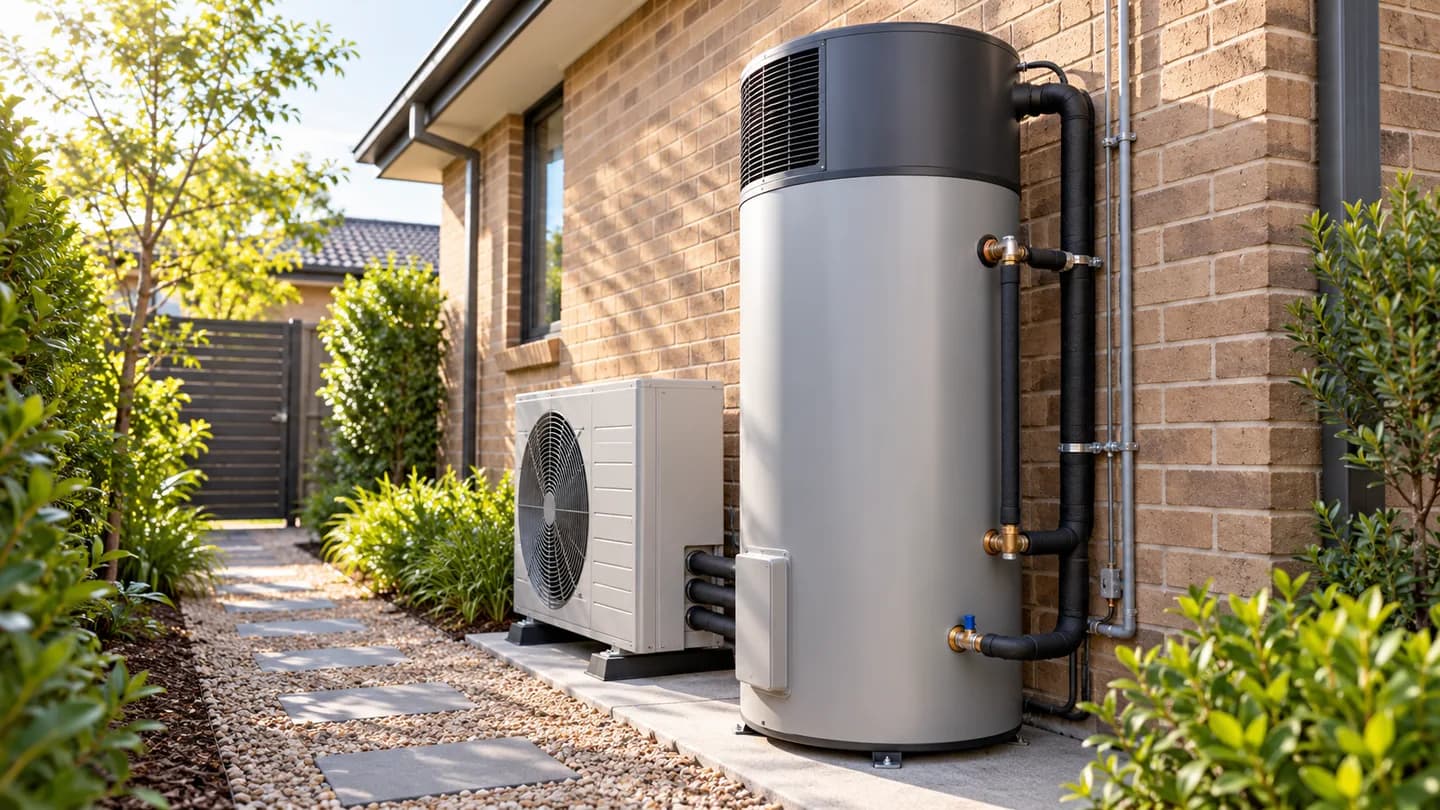
The Australian Government's hot water guidance distinguishes storage systems from equipment that heats water on demand. That broad distinction helps frame questions, but household examples and consumption figures should not be transferred directly to an office. Commercial selection still depends on the particular usage pattern, installation constraints and professional assessment of the premises.
Describe peak demand rather than relying on headcount
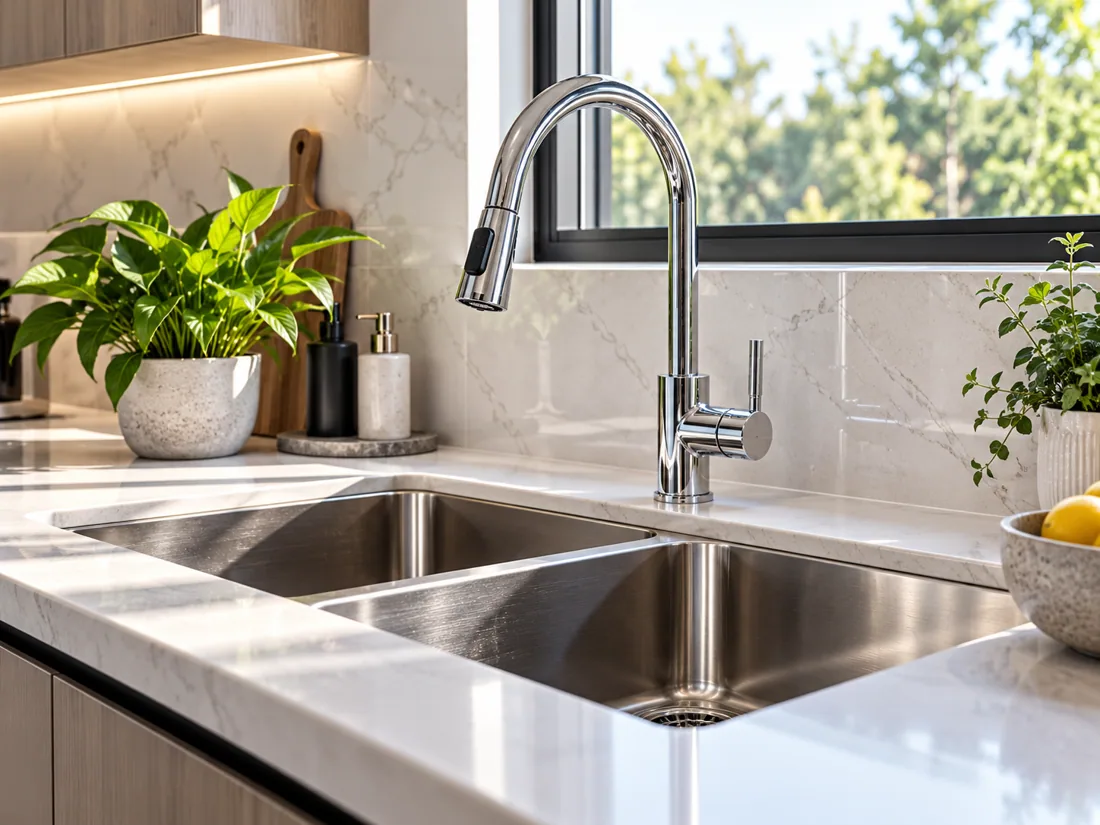
Staff numbers provide context, but they do not describe when or how water is used. A small office hosting a training session can place a concentrated demand on a kitchenette. A larger hybrid office may spread its use across the day. Record ordinary days and unusual peaks separately, including cleaning times, catered meetings and any external users who share the space.
An observation log might note that several sink tasks occur immediately after lunch while a dishwasher is operating, or that the first user each morning waits much longer than later users. Record the sequence without repeatedly running water to create a test. These details help distinguish a capacity question from a distribution or operating issue that requires a different assessment.
Identify which inconveniences are tolerable and which interrupt necessary work. A longer wait at a rarely used sink is a different business problem from equipment unable to perform its intended function. Avoid setting a technical output target yourself from an online calculator. Give the practitioner the use pattern and ask them to explain the demand assumptions behind any recommended capacity.
Map what is known about the existing system
Collect model details, installation records and operating instructions already held by the business or building manager. Note whether the kitchenette is served by a local unit, a shared plant or an arrangement that is not yet understood. Photos of safely visible equipment and the sink area can help with planning, but do not remove electrical covers or enter restricted plant spaces.
Describe the symptoms accurately. Is hot water absent at all times, slow only after a long idle period, or available initially and then insufficient during a busy period? Does another tap behave differently? Record these observations from normal use rather than adjusting controls. The assessor needs to distinguish equipment performance, distribution, fixture behaviour and a possible building-wide issue.
Include the history of changes. A new dishwasher, a relocated sink, a larger staff group or altered cleaning schedule can change the brief even if the heater has not changed. Conversely, an unexplained recent change in performance should not automatically lead to a larger replacement. Ask whether fault assessment should precede a capacity decision so that a correctable problem is not mistaken for inadequate design.
Check installation constraints before comparing catalogue choices
Space beneath a bench is not simply spare equipment space. Storage, pipework, access for maintenance and the selected appliance's installation conditions all matter. A product that fits in a photograph may not be suitable for the actual cabinet or service arrangement. Ask the designer or installer to confirm the constraints, rather than treating a sales dimension as installation approval.
The assessment may need to involve the building manager, electrician or appliance supplier as well as the plumber. Identify who controls shared water interruptions, electrical capacity and access to service areas. Do not assume an office lease permits equipment alterations. Obtain the required permissions through your normal property process and explain any restrictions before the contractor prepares a proposal.
Consider the whole installation and its future access. A convenient position today can become difficult to service after joinery is installed. Ask how equipment can be maintained or replaced without unnecessary dismantling, what connections are included and which surrounding finishes are excluded. These are scope questions, not directions for staff to undertake plumbing or electrical modifications.
Evaluate running assumptions as well as purchase cost
A comparison should explain the expected operating schedule, demand pattern and energy inputs used in any running-cost estimate. A low purchase price does not establish the lowest whole-of-life cost, but a more expensive option is not automatically justified either. Request the assumptions in plain language, including what happens during low-occupancy days and any operating controls that are relevant to the proposed system.
Australian Government commercial heating guidance emphasises measurement, maintenance and matching equipment operation to changing loads. Its industrial examples are not an office kitchenette specification. The relevant principle here is to base a comparison on actual use and a suitable design, rather than applying an attractive percentage saving from another building to your own premises.
Keep comfort and convenience claims separate from demonstrated performance. If a proposal says water will be available more quickly, ask which part of the arrangement produces that improvement and under what conditions. If it includes controls or a timer, ask who sets them and how the arrangement remains suitable for the equipment and use. Do not independently lower temperatures or alter safety controls to pursue savings.
Plan commissioning, interruption and user information
Agree on the work window, access arrangements and the effect of any temporary loss of water. Tell staff what facilities will be unavailable and who will provide the reopening update. Where the kitchenette serves visitors or other tenants, the communication may need to extend beyond your immediate team. The contractor should confirm the expected interruption rather than having reception promise a completion time.
Ask what completion checks and user instructions will be provided for the actual equipment. Staff should understand ordinary operation, whom to contact for a fault and any limits that affect use. Keep maintenance instructions and model records with the business's other property documents. A demonstration at handover is helpful, but it does not replace the written information needed after staff changes.
Record any outstanding work separately from the parts that are complete. For example, a plumbing connection may be ready while joinery reinstatement or an appliance supplier's commissioning remains pending. Do not communicate the whole kitchenette as operational until the responsible people have confirmed the relevant stages. This avoids confusing a trade's completed task with a general approval of every related appliance.
Send a brief that leaves room for assessment
A useful enquiry identifies the premises suburb, current arrangement, main symptom and busiest use period. Include appliance model information if known, the building manager's role and any timing restrictions. You can state a preferred outcome such as reliable cleaning water during the lunch period without prescribing an unassessed technical solution. Ask whether an investigation, design discussion or replacement quote is the appropriate next step.
Contact Grade A Plumbing on (02) 5837 5457 or support@gradeaplumbing.store to discuss a hot water or commercial plumbing assessment. Confirm availability, scope and costs for the premises. The Melbourne homepage and relevant service pages provide the enquiry path. This guide does not specify a system, operating temperature, drinking-water appliance or guaranteed improvement for a particular office.
Frequently asked questions
Can we size office hot water using the number of employees?
Headcount is only a starting point. Peak use, tasks, appliances, shared services and installation constraints all affect the assessment.
Should we buy the replacement before the site visit?
It is usually better to confirm suitability and the full installation scope first. An appliance's dimensions alone do not establish compatibility with the premises.
Sources and further reading
- Australian Government: hot water systems · Checked 2026-10-18
- Australian Government: commercial process heat and steam · Checked 2026-10-18