JUMP TO SECTION
A weak shower or slowly filling kitchen sink is frustrating, but the phrase low pressure does not tell a contractor everything they need to know. Begin with the observable change: where it happens, when it started and whether it is continuous. A professional assessment can then address what measurements or inspections are appropriate. This article is a reporting guide, not a pressure-test procedure, a diagnosis or an instruction to adjust the water service.
Start with what has changed at the outlet
A weak shower or slowly filling kitchen sink is frustrating, but the phrase low pressure does not tell a contractor everything they need to know. Begin with the observable change: where it happens, when it started and whether it is continuous. A professional assessment can then address what measurements or inspections are appropriate. This article is a reporting guide, not a pressure-test procedure, a diagnosis or an instruction to adjust the water service.
Distinguish a new change from something the household has always noticed. If you recently moved in, say that you do not know the previous performance. If a product or appliance was changed, give the date and model information without asserting that it caused the problem. Accurate uncertainty is more useful than a confident explanation based only on timing. The next person should be able to tell which statements are observations and which are questions.
Do not keep operating a fixture that is leaking, backing up or otherwise unsafe to complete the checklist. Describe the immediate concern when you seek help. Never enter an unsafe space, adjust an unfamiliar valve or interfere with shared equipment to gather a better report. Normal observations and safely available information are enough to start the booking conversation.
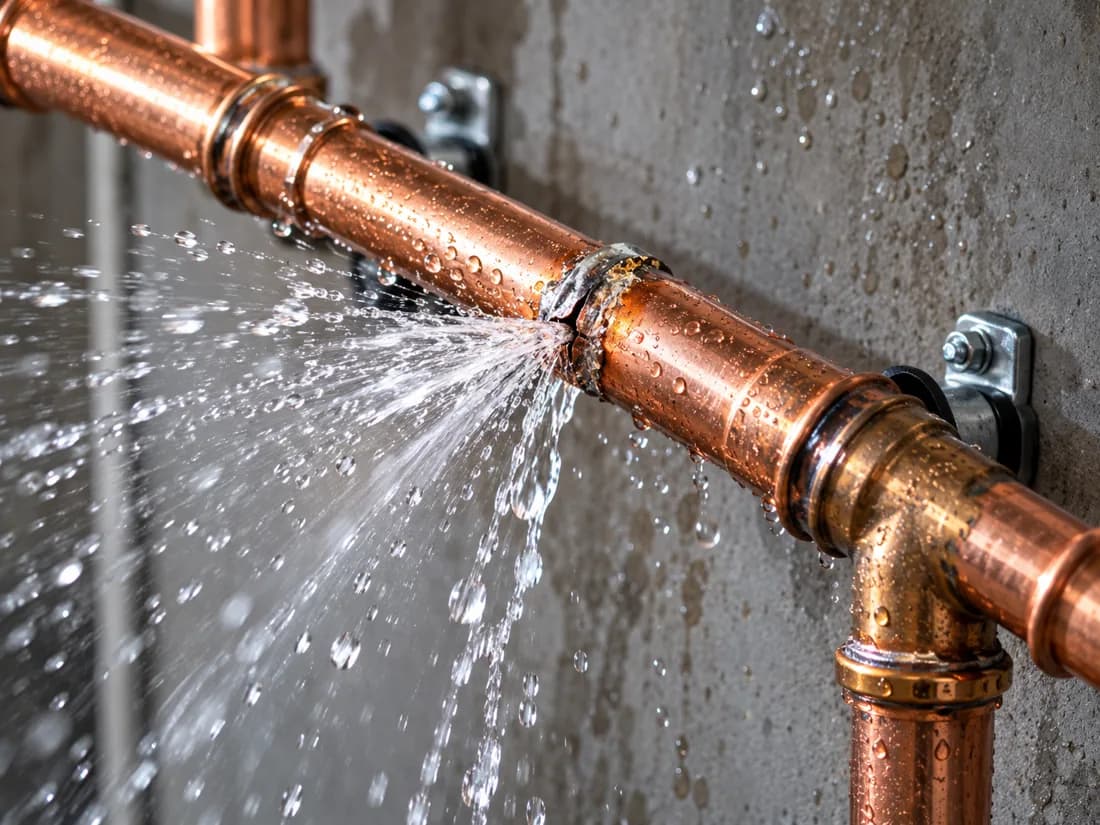
Check notices from the supplier relevant to your property
Yarra Valley Water advises its customers that planned or emergency works can affect water pressure and points them to reported faults and planned-work information. If that is your supplier, check its current notices for your address. If another retailer serves the property, use that retailer's information instead. This guide does not suggest that Yarra Valley Water covers every Melbourne suburb or that a nearby notice necessarily explains your particular concern.
Keep a brief record of any relevant notice, including the date you checked it and the affected location described by the supplier. Tell the contractor if you have already contacted the retailer and whether a reference was provided. Do not treat an expected restoration time as a guarantee, and do not repeat an old outage notice as though it is current. The source page should remain available for checking changes.
A retailer may offer a specific checking procedure, but a general article should not silently turn it into a universal test or modify its instructions. Ask the relevant retailer if you are uncertain whether its procedure applies to a shared supply or your circumstances. Do not improvise on valves or inaccessible equipment. The aim is to establish the correct contact and current information, not determine responsibility through a guessed threshold.
Compare ordinary observations across fixtures
During safe, normal use, note whether the concern appears limited to one outlet or has also been noticed elsewhere. Record which outlets you have not observed. Do not describe the entire house as affected because one shower feels different. Equally, do not leave out a separate kitchen complaint simply because the shower was the first problem noticed. A short room-by-room note can keep the booking description accurate without becoming a household testing programme.
State whether the concern relates to hot water, cold water or an observation you cannot confidently distinguish. Avoid testing unexpectedly hot water by touch. If a tap has changed since a new fitting was installed, supply the product details and the circumstances of the change. Let the practitioner decide whether the comparison calls for a fixture assessment, a wider plumbing investigation or a discussion with the retailer.
Record a visible rate change as an observation rather than a measured pressure reading. If you already have a professional measurement, retain its date, location and accompanying explanation. A video of a tap is not equivalent to a pressure measurement. Use the information you actually have, and ask the assessor to explain any further testing before treating a number found online as a target for your property.
Keep simultaneous use and efficiency information in context
Tell the assessor what else was normally happening when the concern appeared: another shower, laundry use or an occasional garden task. Do not deliberately run numerous outlets to reproduce an extreme condition. Ask whether the ordinary household pattern is relevant to the investigation. The distinction matters because a complaint during a particular routine should not automatically be presented as a permanent supply failure.
YourHome explains that water-efficiency labels provide information such as consumption or flow for relevant products. That helps explain why product information belongs in the discussion, but the label is not a diagnosis of your plumbing. A labelled flow figure does not prove that a weak shower is normal, and a new fixture does not establish that the retailer is at fault. Ask the practitioner to interpret the actual arrangement.
If a retailer, installer or product supplier gives an explanation, write down its scope. The statement may concern a particular outlet or a proposed model rather than the whole property. If two explanations appear inconsistent, provide both to the assessor and ask which facts are still missing. Avoid resolving the disagreement by ordering a pressure-related product before the cause has been assessed.
Ask what the assessment will establish before approving alterations
Clarify whether the booking covers investigation only or a specifically identified task. Ask what the practitioner expects to measure or inspect and how the findings will be explained. You are not asking for a complete diagnosis by telephone; you are making sure the proposed service addresses the concern. If a further visit or specialist input may be needed, ask how approval and charges will be handled.
Consumer Affairs Victoria recommends understanding quote inclusions and the process for changes. For this enquiry, keep the assessment separate from any later proposal to alter fittings, replace equipment or change pipework. Ask which finding supports the proposed action and what limitation remains. Do not compare a supply-only product price with a completed assessment and installation proposal as if they cover the same work.
Check the relevant Victorian practitioner information through the Building and Plumbing Commission when engaging someone to carry out plumbing work. Its guidance distinguishes classes of registration and licensing. Ask who will undertake the agreed task and what completion documentation applies. This article does not establish that a particular provider is qualified or that an advertised product is appropriate for the property.
Turn the findings into a useful follow-up record
After the assessment, ask for a clear distinction between the reported symptom, findings and recommended action. Keep any measurements with their location and date so they are not later quoted without context. If a retailer needs to be contacted, agree who will do that and what information will be supplied. An instruction to make contact is not itself confirmation that the retailer owns the fault or has approved repair work.
Use the original observation note when reporting what happens afterwards. Describe whether the concern remains at the same outlet under normal use rather than declaring that all plumbing is fixed or faulty. Do not make unapproved adjustments to chase a preferred reading. If another household member raises a different concern, add that as a separate observation so the next enquiry does not overwrite the original account.
For help arranging an assessment enquiry, contact Grade A Plumbing on (02) 5837 5457 or support@gradeaplumbing.store. Include your suburb, the affected fixtures and any current retailer reference. The Melbourne location page and related service guides provide the contact route. A request does not confirm the cause, responsibility, final price or appointment availability; those need the appropriate assessment and agreement.
Frequently asked questions
Can a video prove the water pressure is too low?
A video may illustrate a reported change, but it is not a professional pressure measurement. Ask what assessment is appropriate for the actual complaint.
Should I buy a pressure booster first?
Do not select a proposed fix before the cause and suitability are assessed. Ask which finding supports any recommended alteration.
Does a utility fault notice explain every weak tap nearby?
Not necessarily. Check the notice relevant to your address and supplier, then report any remaining concern with accurate observations.
Sources and further reading
- Yarra Valley Water: low water pressure · Checked 2026-10-18
- YourHome: reducing water use · Checked 2026-10-18
- Consumer Affairs Victoria: getting quotes · Checked 2026-10-18
- Building and Plumbing Commission: engaging a plumber · Checked 2026-10-18